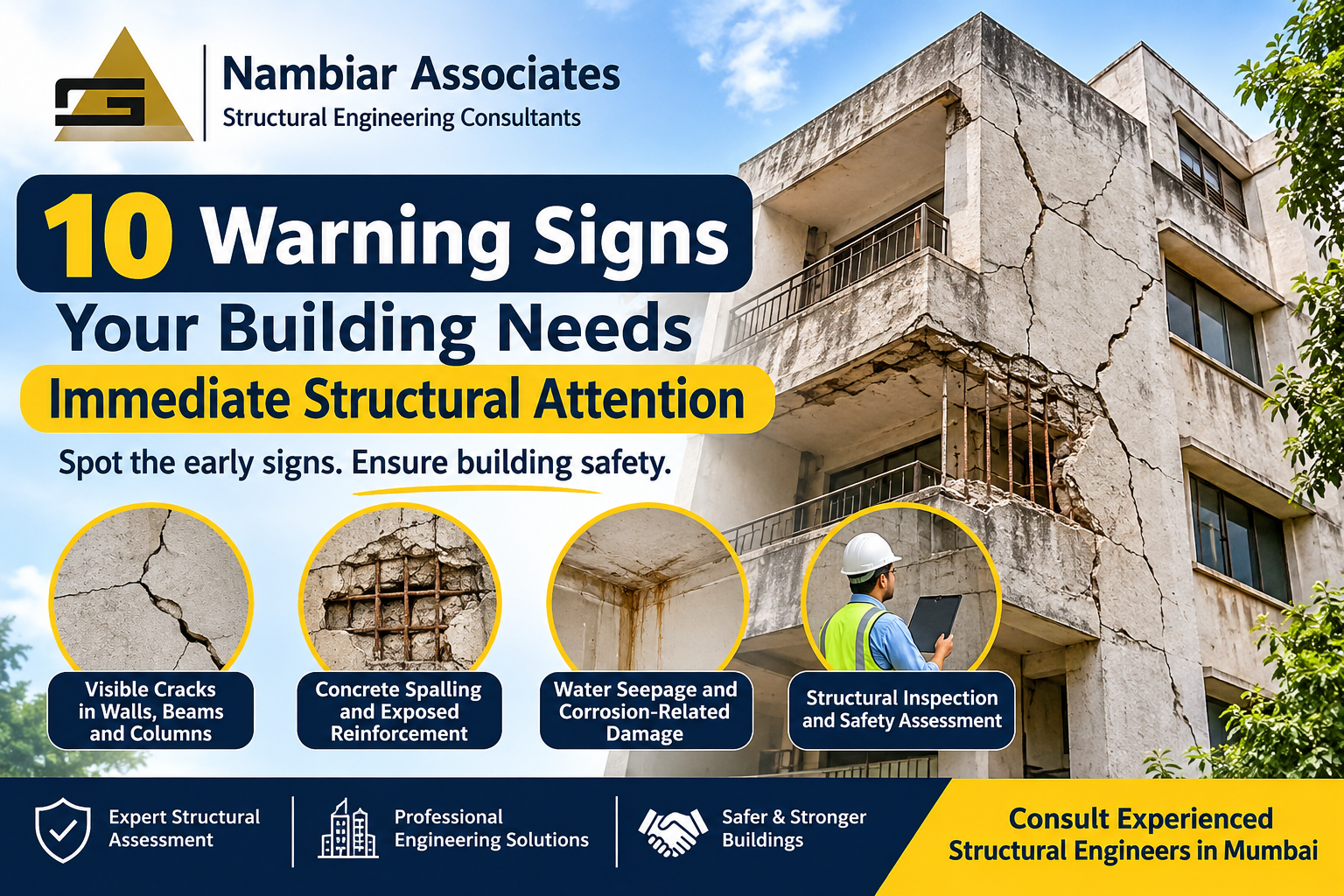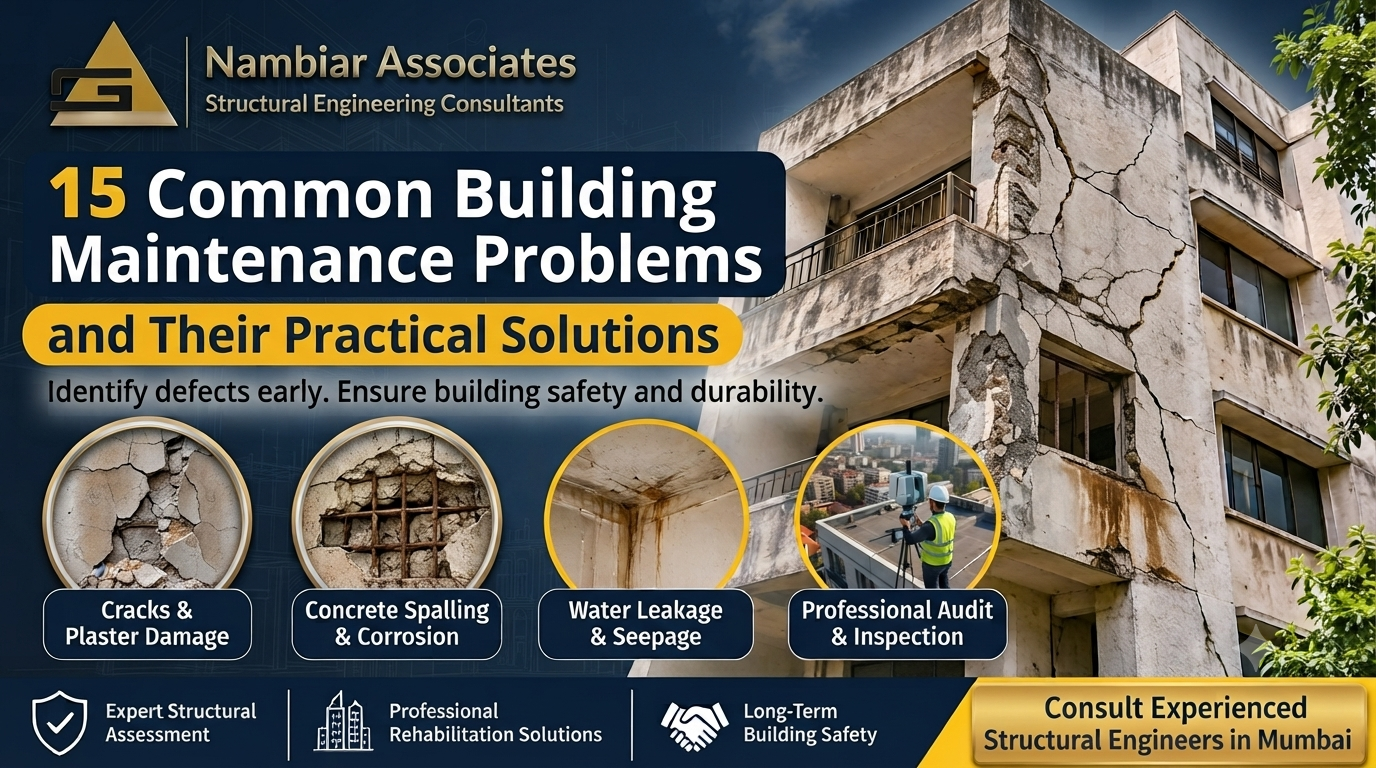
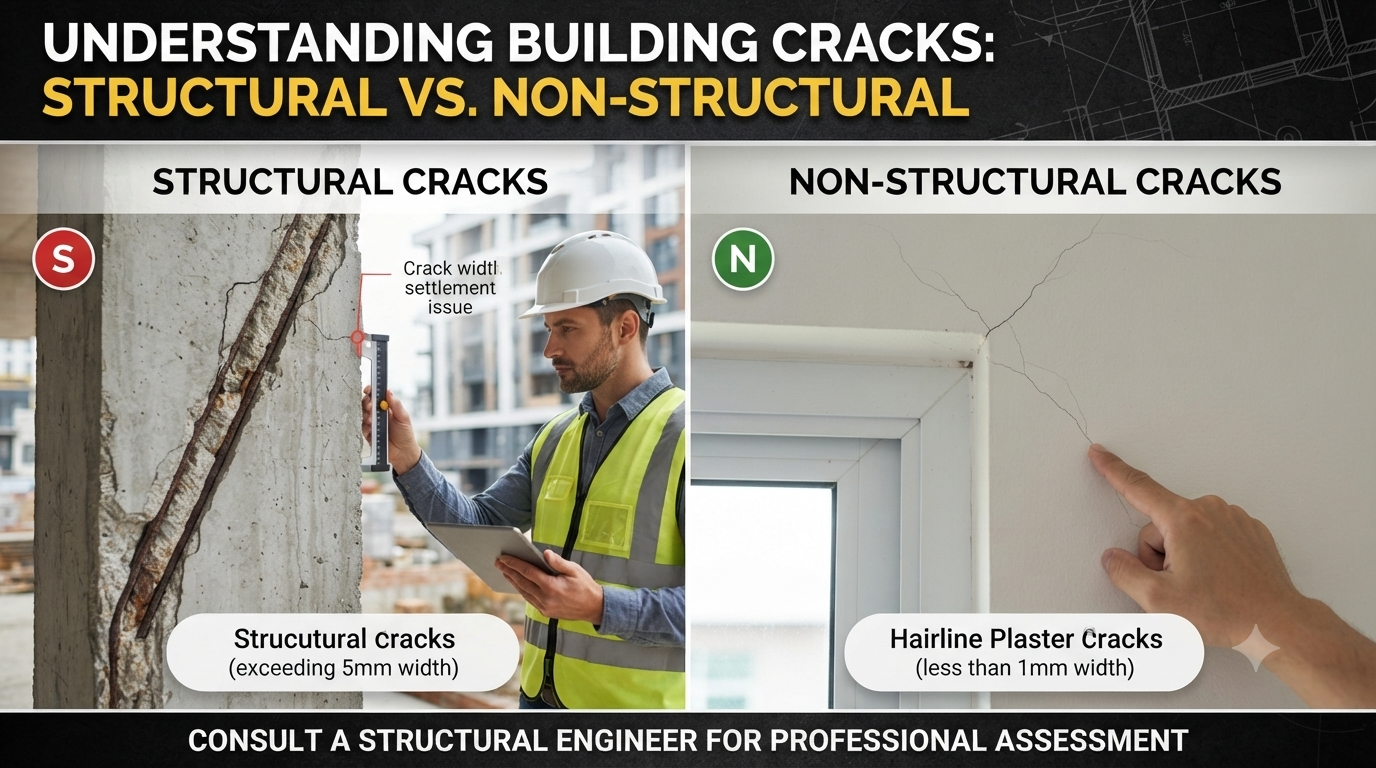
Cracks in buildings are common, but not every crack indicates a serious structural problem. Some cracks develop due to plaster shrinkage, temperature changes or minor settlement, while others may indicate damage to important structural components.
Understanding the difference between structural and non-structural cracks is important for maintaining the structural safety of buildings and identifying when professional inspection is required.
What Are Structural Cracks in Buildings?
Structural cracks develop when load-bearing components such as beams, columns, slabs or foundations experience stress, movement or deterioration.
These cracks may affect the strength and stability of a building and should be assessed by qualified structural engineering professionals.
Common signs of structural cracks include:
- Diagonal or wider cracks in walls.
- Cracks appearing in beams and columns.
- Cracks extending through concrete elements.
- Cracks accompanied by visible deformation or settlement.
- Cracks that continue increasing in width or length.
Structural cracks should never be ignored, particularly when they appear in important load-bearing elements.
What Are Non-Structural Cracks?
Non-structural cracks generally affect plaster, paint, masonry finishes or other non-load-bearing components without directly compromising the building's structural framework.
They may develop because of material shrinkage, temperature variations, poor workmanship or moisture-related issues.
Common signs of non-structural cracks include:
- Thin hairline cracks in plaster.
- Minor surface cracks around doors and windows.
- Cracks caused by paint or plaster shrinkage.
- Small cracks resulting from temperature changes.
Although these cracks may not affect structural stability, their underlying causes should still be investigated.
Major Causes of Structural Cracks in Buildings
Some common causes include:
- Foundation settlement or soil movement.
- Excessive structural loading.
- Poor structural design or construction practices.
- Corrosion of reinforcement.
- Deterioration of concrete.
- Structural modifications without proper engineering assessment.
Identifying the actual cause is essential before selecting a repair method.
How to Identify the Type of Crack?
A visual inspection can provide initial information, but it cannot always confirm whether a crack is structural or non-structural.
The following checks can help:
1. Check the Location: Observe whether cracks appear in beams, columns, slabs or only in plaster surfaces.
2. Measure Crack Width: Record the width and monitor whether it changes over time.
3. Observe the Crack Pattern: Diagonal, horizontal and vertical cracks may indicate different underlying issues.
4. Check for Other Defects: Look for water seepage, concrete spalling, exposed reinforcement or uneven settlement.
5. Arrange Professional Inspection: A structural engineer can assess the building and recommend further testing if necessary.
Role of Structural Engineering in Crack Assessment
Professional Structural Engineering plays an important role in evaluating cracks and determining whether they affect the safety of a building.
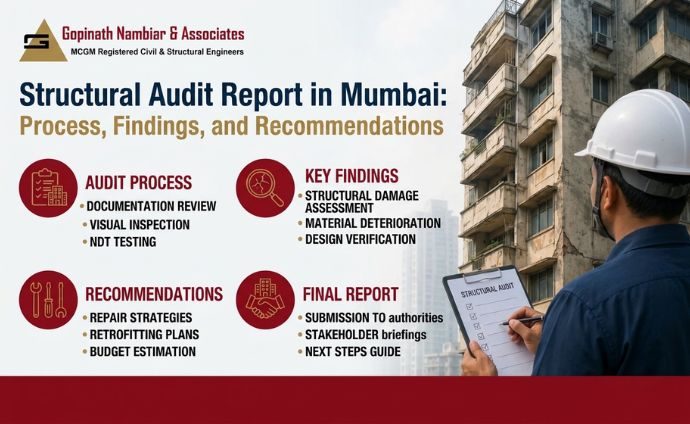
Depending on the condition, engineers may recommend structural audits, concrete testing or Non-Destructive Testing (NDT).
Methods such as rebound hammer testing and ultrasonic pulse velocity testing can help assess concrete properties as part of a broader investigation.
Proper evaluation also helps determine whether existing Structural Design requirements and load conditions are contributing to the observed damage.
How Can Structural Cracks Be Repaired?
Repair methods depend on the cause, severity and location of the damage. Possible solutions include:
- Epoxy injection for suitable concrete cracks.
- Crack sealing and waterproofing for appropriate surface defects.
- Concrete restoration and reinforcement treatment.
- Structural strengthening where engineering assessment recommends it.
- Foundation-related corrective measures where necessary.
The repair method should always be selected after understanding the actual cause of the crack.
Conclusion
Understanding the difference between structural and non-structural cracks is essential for maintaining the structural safety of buildings. While minor surface cracks may require simple repairs, cracks in beams, columns, and other structural components need professional evaluation.
Timely inspection and appropriate engineering recommendations can help prevent further deterioration and support safer building maintenance.