Mumbai has many old residential buildings, especially in areas where buildings have been standing for several decades. As these buildings get older, residents may naturally start to think about redevelopment. It can be a good way to improve living conditions, make better use of the property, and address problems with an ageing structure.
But one common question that comes up is, after how many years building goes for redevelopment in Mumbai?
Many people believe that a building must be 30 years old before it can go for redevelopment. Though the age of a building is an important factor, there is more to the process than just the number of years it has been standing.
The building's structural condition, the applicable rules, the type of property, and the required approvals all play a role. In some cases, a building may need urgent attention even before it reaches 30 years of age.
Read on to understand when a building can go for redevelopment in Mumbai, what factors affect the decision, and what residents should understand before moving ahead with a redevelopment project.
After How Many Years Building Goes for Redevelopment in Mumbai?
In Mumbai, 30 years is commonly considered an important age for building redevelopment, particularly when discussing older residential buildings. However, this does not mean that every building automatically becomes eligible for redevelopment as soon as it completes 30 years.
The actual position depends on the applicable redevelopment rules, the type of building, and its structural condition, as well as the approvals required for the proposed project.
For example, a residential building that is 35 years old may still be in reasonably good condition. On the other hand, a building that is much younger may develop serious structural problems because of poor construction, water leakage, lack of maintenance, or other issues.
This is why building age should not be the only factor considered when deciding whether redevelopment is necessary.
Residents should also understand that being old enough for redevelopment and receiving permission to redevelop are two different things. The project must meet the applicable legal, technical, and approval requirements before it can move forward.
Can a Building Go for Redevelopment Before 30 Years?
Yes, a building may need redevelopment or other major intervention before completing 30 years if it develops serious structural problems.
For example, if a building has major cracks, damaged structural members, or other signs of serious deterioration, its condition may need to be assessed by a qualified structural engineer.
In Mumbai, the Brihanmumbai Municipal Corporation (BMC) and the Maharashtra Housing and Area Development Authority (MHADA), where applicable, have roles in dealing with buildings that may be unsafe or require urgent attention.
A building formally classified as dangerous/unsafe may require urgent action, regardless of whether it has reached 30 years of age.
However, it is important to understand that an unsafe building does not automatically receive redevelopment approval. The next steps depend on the official assessment, the applicable legal provisions, and the circumstances of the property.
What Does a C1 Category Building Mean?
When discussing old and unsafe buildings in Mumbai, you may come across the term C1 category.
A C1 classification is generally associated with a building that has been assessed as dangerous and/or unsafe for occupation and potentially subject to demolition. The exact action depends on the official assessment as well as the applicable legal requirements.
Such a classification is very important because it indicates that the building may pose a serious safety risk to residents and also to other people nearby.
Though some residents may want to delay redevelopment because of the costs or inconvenience involved, safety should always come first no matter what when a building is officially found to be dangerous.
If residents receive an official notice or have concerns about the building's condition, they must seek guidance from the relevant authority and a qualified structural professional rather than just relying only on the building's age.
What Factors Decide Whether a Building Needs Redevelopment?
The age of a building matters, but several other factors also influence whether redevelopment is worth considering, such as
1. Structural Condition of the Building
The building's physical condition is one of the most important things to take in consideration.
Over time, concrete can deteriorate, steel reinforcement can corrode, and repeated water leakage can damage parts of the structure. Poor maintenance can make these problems much more worse.
A professional structural inspection can help identify the extent of the damage and whether repairs, strengthening, or more extensive action may be needed.
Though visible cracks can be a warning sign, not every crack means that a building is unsafe. A qualified professional should assess the cause and seriousness of the problem.
2. Cost of Repairs and Maintenance
Older buildings may require regular repairs, including waterproofing, plumbing work, repairs to common areas, and improvements to electrical systems.
When repair and maintenance costs become high, residents may begin to compare the cost of continuing repairs with the possibility of redevelopment.
However, redevelopment is not always the cheaper option. It can involve substantial costs, approvals, relocation, construction time, and other financial considerations.
A proper assessment of both options can help residents make a more informed decision.
3. Safety of Residents
The safety of people living in the building should always be a priority.
If there are signs of serious structural damage, residents should not wait for the building to reach a particular age before seeking professional advice.
An official unsafe-building notice or a serious structural assessment may require urgent action. In such cases, residents should follow the directions of the relevant authorities.
4. Applicable Redevelopment Rules
Different buildings may fall under different legal and regulatory frameworks as well.
For example, a private housing society, a MHADA building, and a property affected by a specific redevelopment scheme may all have different eligibility conditions and approval requirements.
This means residents should not assume that the same age rule applies in exactly the same way to every building in Mumbai.
It is thus essential to check the rules pertaining to the property and the approvals required.
5. Consent and Agreement Among Residents
Redevelopment often requires decisions and coordination among flat owners, the housing society, or other people who have legal rights in that property.
Residents need to understand the proposed terms, the obligations of the developer, the timeline of the project, and any arrangements regarding temporary accommodation as deemed necessary.
Though residents may agree that redevelopment is needed, they should still review the proposal carefully and understand the applicable consent requirements before making commitments.
How Does the Redevelopment Process Work in Mumbai?
Redevelopment is a major project, so it usually involves several stages. The exact process depends on the property and the applicable rules, as well as the type of redevelopment being proposed.
Step 1: Assess the Building's Condition
The first step is to understand the current condition of the building.
Residents or the society may arrange for a structural assessment by a qualified professional. This can help establish whether the building needs routine repairs, structural strengthening, or further consideration for redevelopment.
If the building is suspected to be dangerous, the relevant authority should be contacted as appropriate.
Step 2: Understand the Legal and Property Details
Before taking the project forward, residents should review the property's ownership documents, land records, existing approvals, and any applicable restrictions.
The society should also understand which redevelopment rules apply to the building and what legal or regulatory conditions must be met.
This step helps reduce confusion and avoid problems later in the process.
Step 3: Discuss the Proposal With Residents
Residents should discuss why redevelopment is being considered and what they expect from the project.
This may include the proposed new flats, additional area if offered, temporary accommodation arrangements, project costs, and the developer's obligations.
The society should follow the applicable procedures for decision-making and consent rather than relying only on informal discussions.
Step 4: Evaluate the Developer and Project Proposal
It’s quite essential to choose a developer wisely. Residents should review the developer’s expertise, financial capacity, previous projects, proposed commitments, and also the ability to manage construction. The terms of the agreement should be clear about responsibilities, timelines, payments or compensation where applicable, and what happens if there are delays and/or disputes.
Independent legal and technical advice can help residents understand the proposal before signing any documents.
Step 5: Obtain All the Required Approvals
Before construction begins, the project must obtain the approvals and permissions in accordance with the applicable rules.
These may include building-plan approvals and other permissions that may depend on different parameters of the property and the proposed development.
Step 6: Plan and Manage Construction
Once the necessary conditions and approvals are all in place, the project can move into its construction stage.
This involves coordinating design, procurement, construction work, quality checks, budgets, timelines, and communication among the different people involved.
Proper planning and monitoring are important because redevelopment affects both the property and the lives of the residents.
Why Is Project Management Important in Building Redevelopment?
Building redevelopment involves much more than demolishing an old structure and constructing a new one. It requires coordination between residents, developers, architects, engineers, contractors, suppliers, and other professionals.
Without proper planning, projects can face delays, cost increases, communication gaps, and quality issues.
Project management helps bring these different activities together. It involves defining the project requirements, setting a realistic schedule, monitoring progress, tracking costs, identifying risks, and keeping the client informed.
For residents and property owners, this can provide a clearer understanding of how the project is progressing and whether important requirements are being addressed.
Though every redevelopment project has its own challenges, a structured management approach can help the project team deal with issues in a more organized way.
How Nambiar Associates Approaches Project Management Consultancy
At Nambiar Associates, we approach project management by first understanding the client's requirements, project scope, budget, timeline, and expected outcome.
We then focus on coordinating the different aspects of the project so that design, procurement, construction, quality, cost, and schedule are managed in a structured manner.
Our Project Management Consultancy approach includes regular communication with the project team, monitoring of progress, identification of issues, and reporting to the client.
The exact scope is developed according to the needs of the project.
The objective is to give the client better visibility and control throughout the construction process while helping the project team work towards the planned requirements.
For a redevelopment project, having a clear understanding of the scope, timeline, budget, and responsibilities can be particularly useful because several parties may be involved in the process.
What Should Residents Check Before Starting Redevelopment?
Before moving ahead with redevelopment, residents should take time to understand the project and its requirements. Here are a few important things to consider:
- Building condition: Get professional advice about the building's structural safety and its repair needs.
- Legal requirements: Confirm all the applicable redevelopment rules and eligibility conditions well in advance.
- Property documents: Review ownership records and society documents, as well as other relevant papers.
- Developer's background: Check the developer's experience, financial capacity, and past work.
- Written agreements: Make sure the responsibilities, timelines, and commitments are clearly recorded.
- Project planning: Understand how construction, quality, cost, and progress will be monitored throughout the process.
- Resident arrangements: Clarify temporary accommodation, shifting costs, and any other applicable commitments.
- Independent advice: Seek legal, technical, and financial advice where needed.
FAQs
Q1. After how many years can a building go for redevelopment in Mumbai?
A building that is around 30 years old is often considered for redevelopment, but the actual rules depend on the type of building and what condition it is in as well as the approvals needed.
Q2. Is it possible for a building to undergo redevelopment before 30 years?
Yes, a building may need redevelopment earlier even before 30 years if it has serious structural issues or if it is officially declared unsafe by the relevant authority.
Q3. What is a C1 category building?
A C1 category building is usually considered dangerous and unsafe for occupation. It may need to be demolished as per the official assessment and applicable rules.
Q4. How long does building redevelopment take in Mumbai?
The time required varies from project to project. Approvals, planning, construction, and other issues can affect the overall timeline.
Q5. How can residents avoid problems during redevelopment?
Residents should check the developer's background, read agreements carefully, understand the project timeline, and seek legal and technical advice before making decisions.
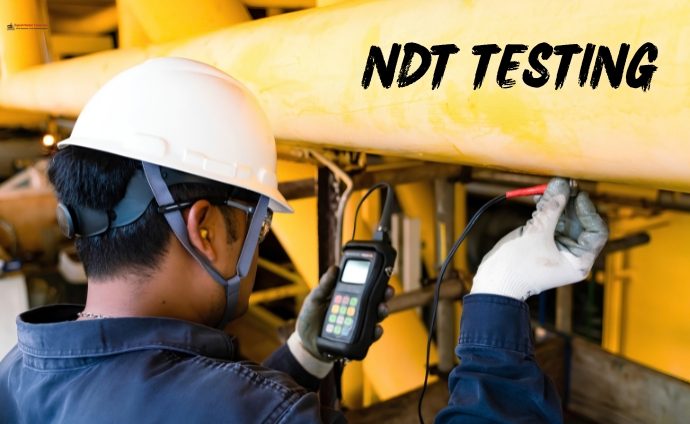
Also read more about: What Is NDT Testing? Methods, Benefits, and Applications